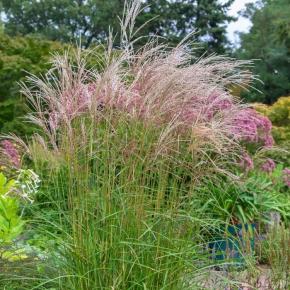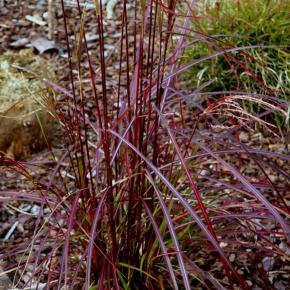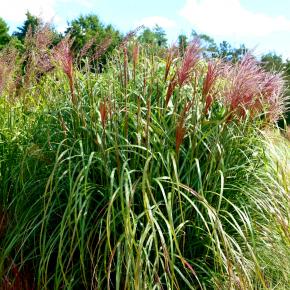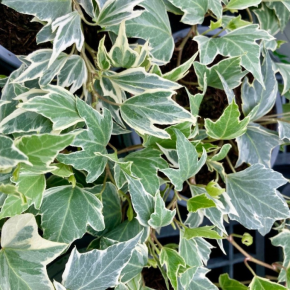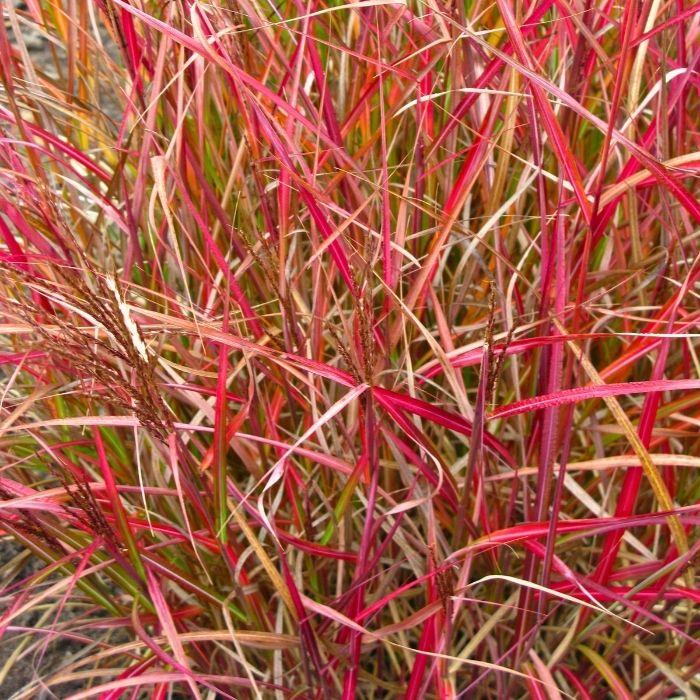
A striking ornamental grass, Miscanthus sinensis Purple Fall® stands out with its upright habit, vivid autumn colors, and excellent hardiness. This variety offers a spectacular transition from green summer foliage to intense red-purple hues in autumn, complemented by airy silvery flower plumes. Ideal for structural planting in landscapes, it combines visual impact with low maintenance requirements.
|
Packaging
To find out more about our packaging, please visit our young plants' page available from the website header.

|
Available quantity | Dispo à partir de | Sold by | Desired quantity | |
|---|---|---|---|---|---|
|
Le stock n'est actuellement pas disponible pour ce produit. |
|||||
The characteristics of Miscanthus sinensis Purple Fall®
Native to East Asia, Miscanthus sinensis Purple Fall® is a late-flowering ornamental grass valued for its strong vertical growth and vibrant seasonal color changes. During summer, its fine green leaves form a dense, architectural clump. In autumn, the foliage transforms into vivid red and purple shades, extending seasonal interest well into winter. Airy, silvery flower panicles appear from late summer to mid-autumn, adding texture and movement to the landscape. Its cold hardiness down to -20°C ensures reliable performance in a wide range of climates.
How to use Miscanthus sinensis Purple Fall®?
Miscanthus sinensis Purple Fall® is ideal for adding vertical structure to mixed borders, perennial beds, and contemporary landscape designs. It works equally well as a single specimen or in mass plantings for visual impact. Its height and dense habit make it a good choice for informal screens, windbreaks, or background plantings. In urban landscaping, it performs well in large containers. Its seasonal color change and airy plumes provide dynamic interest, making it suitable for public spaces, commercial projects, and private gardens alike.
Cultivation tips for Miscanthus sinensis Purple Fall®
Plant Miscanthus sinensis Purple Fall® in well-drained, moderately fertile soil, spacing plants 80–100 cm apart for optimal development. Full sun exposure is essential for strong growth and intense autumn coloration. Water regularly during establishment, then only in prolonged drought. Pruning should be done in late winter or early spring before new shoots appear, cutting the clump back to 10–15 cm. A light application of slow-release fertilizer in spring promotes vigorous foliage growth. Avoid waterlogged conditions, as they can damage the root system.