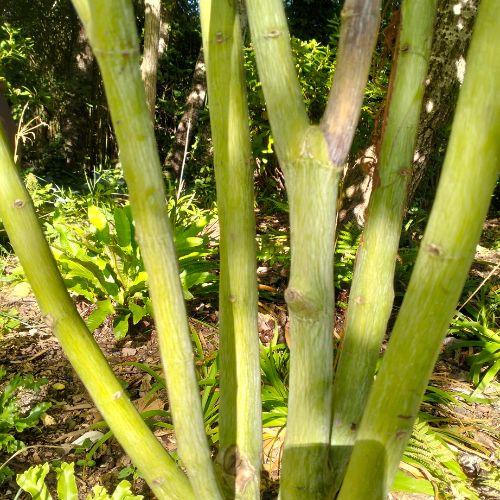
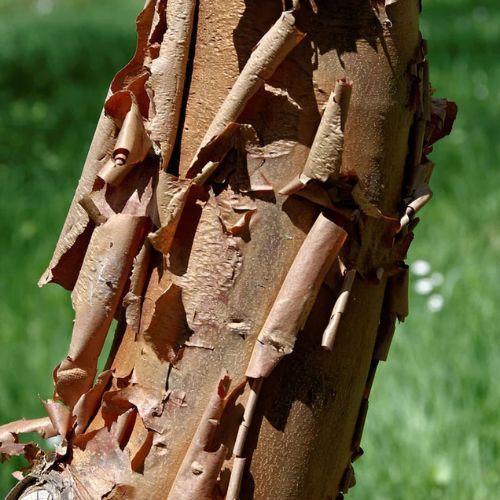
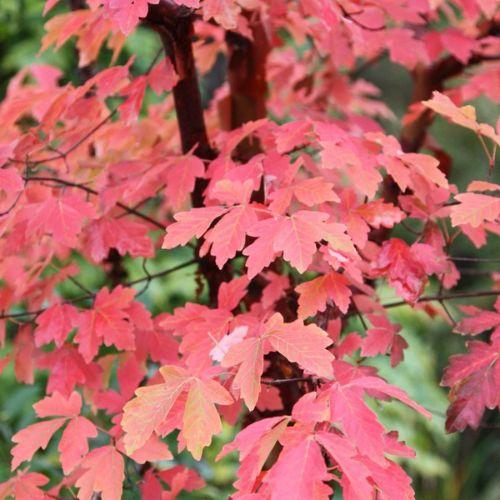
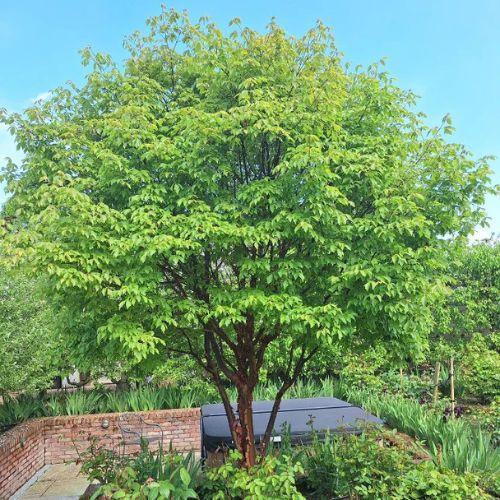
Native to central China, Acer griseum—commonly known as the paperbark maple—is prized for its distinctive cinnamon-colored bark that peels into thin, decorative layers. Particularly attractive in winter, this small deciduous tree is a standout ornamental specimen with spectacular fiery-red autumn foliage.
|
Packaging
To find out more about our packaging, please visit our young plants' page available from the website header.

|
Available quantity | Dispo à partir de | Sold by | Desired quantity | |
|---|---|---|---|---|---|
|
Le stock n'est actuellement pas disponible pour ce produit. |
|||||
Characteristics of Acer griseum
Acer griseum is a slow-growing, deciduous tree known for its ornamental exfoliating bark in coppery-red hues, which peels in thin curls and remains decorative year-round. Its trifoliate leaves emerge medium green and transform into vivid orange-red tones in autumn. While its flowers are small and discreet, the tree's aesthetic value lies in its unique bark texture and vibrant seasonal foliage. Extremely hardy, it adapts well to a range of soils and is suitable for cold climates.
How to use Acer griseum ?
Acer griseum is best used as a solitary specimen to highlight its elegant form and exfoliating bark. It also fits well in mixed borders, small group plantings, or as a feature in shaded garden areas, public parks, and contemplative spaces. Ideal for Japanese-style gardens or winter-interest plantings, it offers year-round ornamental value—especially when set against a light or evergreen backdrop to enhance the contrast of its bark and autumn colors.
Best practices for growing Acer griseum
Plant Acer griseum—paperbark maple in autumn or spring in cool, humus-rich, well-drained soils with a neutral to slightly acidic pH. It prefers dappled sunlight or light shade, avoiding harsh midday sun. Water regularly during the establishment phase, especially in summer. Pruning is generally unnecessary except to remove deadwood or lightly shape the structure. Mulching helps retain soil moisture and maintain root zone health. It is a low-maintenance tree with good disease resistance, though it does not tolerate compacted or chalky soils.