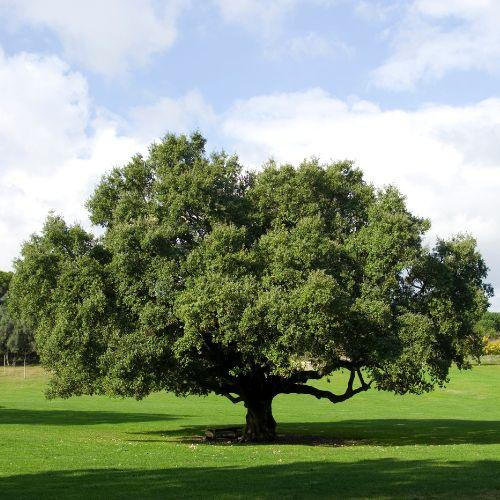
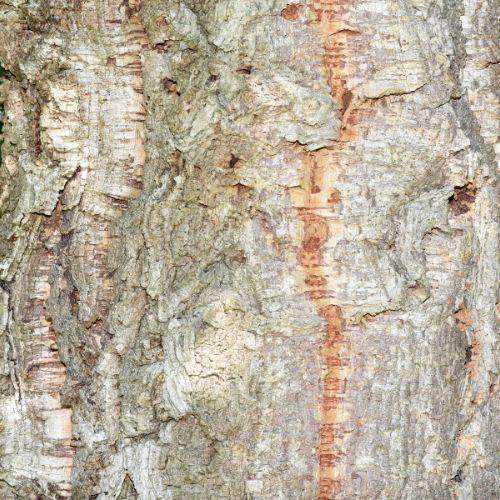
Native to the Mediterranean basin, Quercus suber, or cork oak, is a majestic evergreen tree known for its thick, fissured bark used in cork production. With its broad, rounded canopy, leathery foliage, and exceptional drought tolerance, it is an ideal species for sustainable landscaping in warm, dry climates.
|
Packaging
To find out more about our packaging, please visit our young plants' page available from the website header.

|
Available quantity | Dispo à partir de | Sold by | Desired quantity | |
|---|---|---|---|---|---|
|
Packaging
AF350
To find out more about our packaging, please visit our young plants' page available from the website header.
|
Available quantity 2824 | Dispo à partir de 09/2026 | Sold by 28 |
|
|
|
Packaging
AF350
To find out more about our packaging, please visit our young plants' page available from the website header.
|
Available quantity 2946 | Dispo à partir de Immédiat | Sold by 28 |
|
|
Characteristics of Quercus suber
Quercus suber is a long-lived evergreen oak valued for its corky bark, which provides natural protection against fire and harsh conditions. Its leathery, dark green foliage remains dense year-round, offering excellent structural presence in the landscape. Spring brings inconspicuous yellow-green catkins followed by acorns maturing in autumn. Its drought resistance, adaptability to poor soils, and moderate growth make it a strategic choice for Mediterranean-style planting schemes, biodiversity corridors, and ecological forestry.
How to use Quercus suber ?
Quercus suber is best suited to large spaces such as parks, naturalistic landscapes, Mediterranean gardens, and rural alignments. As a solitary specimen, its deeply fissured cork bark offers year-round visual interest and strong architectural form. The tree is ideal for sustainable, low-maintenance landscapes, ecological restoration, or agroforestry projects. However, it is not recommended for cold or high-humidity regions due to its limited frost tolerance.
Growing tips for Quercus suber
Quercus suber prefers well-drained, acidic to neutral soils and performs poorly in calcareous or waterlogged conditions. Planting is best done in autumn or early spring, with generous spacing (6 to 10 meters) to accommodate future growth. Irrigation is essential during the first 2 to 3 years until the root system is well established. Once mature, the tree is highly drought-tolerant and requires minimal care. No pruning is needed except for formative shaping, and fertilisation is generally unnecessary in well-structured soils.