DRYOPTERIS affinis - LA FORET - Pépinière La Forêt
Feuillage - DRYOPTERIS affinis - LA FORET - Pépinière La Forêt

DRYOPTERIS affinis

Fougère mâle dorée DRYOPTRIS écailleux

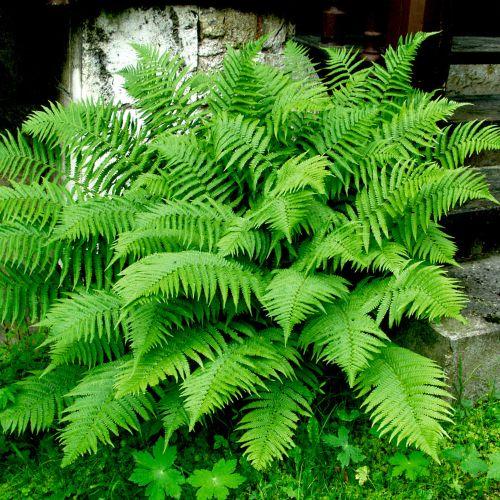
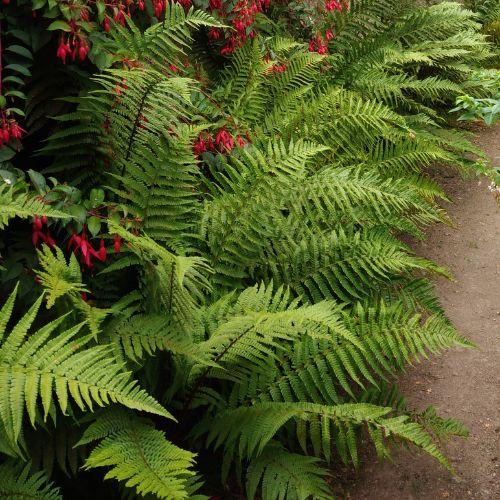
Native to Western Europe, Dryopteris affinis, commonly known as the golden male fern, is a highly reliable species distinguished by its thick, evergreen, deeply divided fronds with golden highlights at emergence. Extremely hardy, it provides strong structure in shaded landscapes and performs consistently well in cold climates and a wide range of soils, including poor or calcareous substrates.

80–100 cm x 70 cm Upright, crown-forming clump
Evergreen Dark green, young fronds golden
Shade to partial shade
None Non-flowering (spore-producing fern)
-20 °C and below °C
Packaging
To find out more about our packaging, please visit our young plants' page available from the website header.
Available quantity Dispo à partir de Sold by Desired quantity
Packaging GT9
To find out more about our packaging, please visit our young plants' page available from the website header.
Available quantity 81 Dispo à partir de Immédiat Sold by min 10

Characteristics of Dryopteris affinis

Dryopteris affinis belongs to the Dryopteridaceae family and is native to Europe. It forms a dense, upright clump with leathery fronds reaching up to 1 metre in height. The foliage is deeply divided, dark green and slightly glossy, with distinctive golden tones on newly emerging fronds. One of the hardiest ferns available, it tolerates temperatures below -20 °C, making it well suited to cold or mountainous regions. It adapts to poor, slightly calcareous soils and performs well in dry shade beneath tree cover.


How to Use Dryopteris affinis in Landscaping

Thanks to its architectural habit and evergreen foliage, Dryopteris affinis is ideal for use as a specimen plant or in mass plantings in woodland gardens, shaded slopes, forest edges, and naturalistic landscapes. It works effectively as a structural groundcover when combined with other shade perennials such as Epimedium, Hosta, or Lamium. Well suited to low-maintenance gardens and non-irrigated sites, it enhances difficult soils with volume and permanence. It can also be grown in large containers for shaded urban environments.


Best Practices for Growing Dryopteris affinis

Plant Dryopteris affinis in spring or autumn in moist, humus-rich but well-drained soil. Once established, it tolerates drier, poorer, and slightly calcareous soils. Space plants approximately 60 cm apart to allow for full development. Organic mulching helps retain moisture and suppress weeds. Watering is recommended during the first year only. Maintenance is minimal: simply remove damaged or old fronds at the end of winter. An annual top-dressing of compost will encourage vigorous and long-lasting growth.


Plantes à découvrir