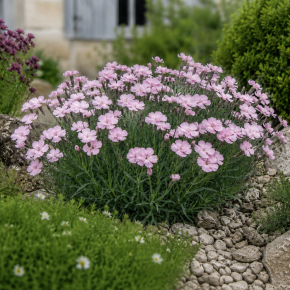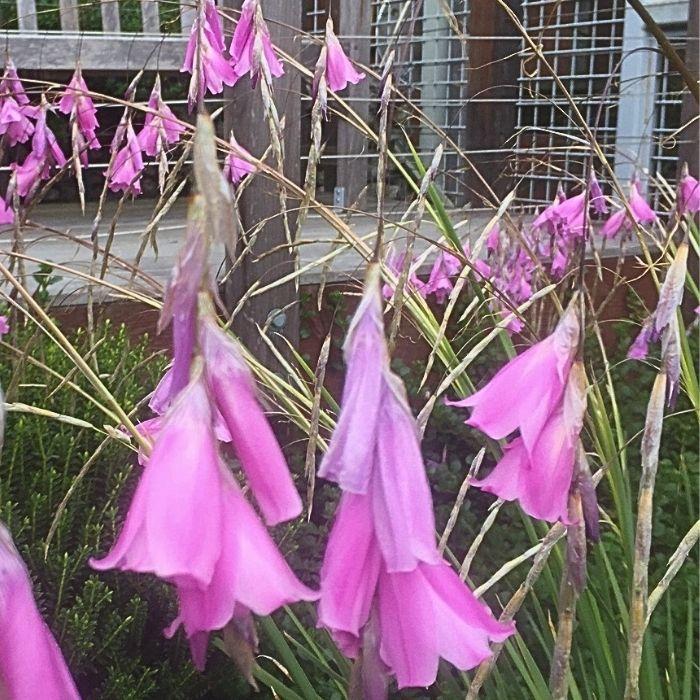
Dierama pulcherrimum – Elegant, Arching, Summer-Blooming Perennial
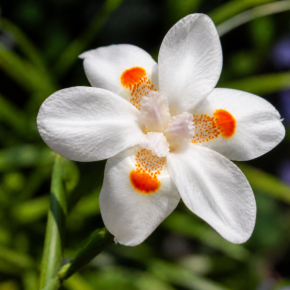
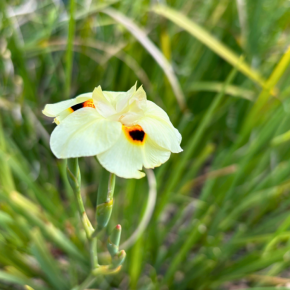
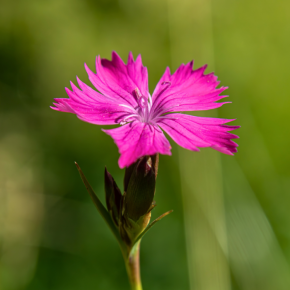
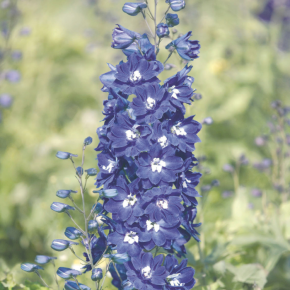
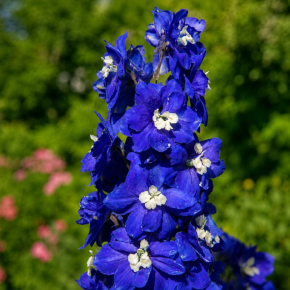
Native to South Africa, Dierama pulcherrimum (commonly called Angel’s Fishing Rod) is a graceful, clump-forming perennial renowned for its long, arching flower stems that sway elegantly in the wind. Its bell-shaped blooms in soft pink to deep magenta set it apart from other ornamental grasses and perennials, offering unmatched movement and lightness in the summer garden.
|
Packaging
To find out more about our packaging, please visit our young plants' page available from the website header.

|
Available quantity | Dispo à partir de | Sold by | Desired quantity | |
|---|---|---|---|---|---|
|
Packaging
GT9
To find out more about our packaging, please visit our young plants' page available from the website header.
|
Available quantity 330 | Dispo à partir de Immédiat | Sold by min 10 |
|
|
Characteristics du Dierama pulcherrimum
Dierama pulcherrimum is a perennial from the Iridaceae family, native to the grasslands of South Africa. Its most notable feature is its slender, wiry stems bearing pendulous, funnel-shaped flowers, which appear to “dance” in the breeze. The plant forms dense tufts of narrow, evergreen leaves, from which tall, arching stems emerge in summer. Its long blooming period and airy structure make it highly distinctive compared to more rigid ornamental perennials. Hardy to -15 °C, it thrives in well-drained soils and sunny exposures, providing excellent vertical movement in landscape compositions.
How to use Dierama pulcherrimum ?
Due to its elegant form and delicate flowers, Dierama pulcherrimum is ideal for naturalistic planting schemes, perennial borders, and meadow-style gardens. It works beautifully in mixed borders, where its swaying stems add texture and motion among sturdier perennials. In coastal or gravel gardens, it offers resilience and aesthetic lightness. Though less suited to small pots due to its deep root system, it thrives in large containers with adequate depth. It can also be used to soften the edges of ponds or water features, where its graceful habit is accentuated by reflections.
Best cultivation practices for Dierama pulcherrimum
Plant Dierama pulcherrimum in full sun and in deep, fertile, well-drained soil, ideally sandy loam. Space plants 50–60 cm apart to allow for mature clump development. Avoid waterlogging in winter, which can damage the corms. Water regularly during the first growing season, then only in prolonged dry periods. Minimal pruning is needed—remove spent flower stems after blooming. Mulching in winter can help protect roots in colder climates. Fertilise in early spring with a balanced, slow-release fertiliser to encourage strong growth and abundant flowering.