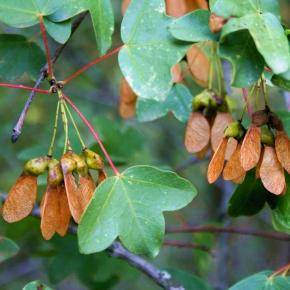
Native to Japan, Korea, and China, Acer palmatum is a highly valued deciduous species in landscape design. Renowned for its graceful structure, deeply lobed foliage, and vibrant seasonal coloration, it is a cornerstone plant in Japanese-inspired gardens and shaded ornamental settings.
|
Packaging
To find out more about our packaging, please visit our young plants' page available from the website header.

|
Available quantity | Dispo à partir de | Sold by | Desired quantity | |
|---|---|---|---|---|---|
|
Le stock n'est actuellement pas disponible pour ce produit. |
|||||
Characteristics of Acer palmatum
Acer palmatum is a slow to moderately growing ornamental maple, prized for its finely dissected, lobed foliage and harmonious natural form. It displays dynamic seasonal interest: tender new growth in spring, intense summer coloration depending on the cultivar, and brilliant fall colors (red, orange, gold). Its spring flowers are discreet but elegant. Hardy to cold climates, it thrives best when sheltered from drying winds and full sun exposure, which can scorch sensitive foliage—particularly in red-leaved forms.
How to use Acer palmatum ?
Japanese maple / Acer palmatum is ideal for ornamental gardens, whether grown as a standalone specimen, integrated into mixed borders, or cultivated in containers on patios and terraces. It’s especially suited to Japanese-style gardens, shaded compositions, and as a focal point in refined landscaping. It pairs well with woodland perennials, acid-loving plants, or textural companions such as ferns, hostas, and dwarf bamboos. Compact cultivars are well-suited to pot culture and even bonsai.
Best practices for growing Acer palmatum
Plant Japanese maple / Acer palmatum in spring or autumn in cool, well-drained, acidic to neutral soil rich in organic matter. Partial shade is optimal, especially for cultivars with delicate or dark foliage. Avoid exposed, windy locations and chalky soils. Water regularly during dry spells, particularly for container specimens, without overwatering. Apply organic mulch to retain moisture and protect roots. Minimal pruning is needed—only to maintain structure or remove deadwood. With proper conditions, this maple offers exceptional long-term aesthetic value.