• Homepage
  • Cistus × florentinus Tramontane
Cistus × florentinus Tramontane LA FORET - Pépinière La Forêt

Cistus × florentinus Tramontane

Ciste Tramontane

Cistus × florentinus Tramontane
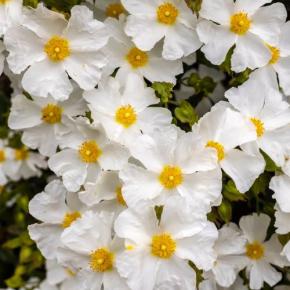
This Mediterranean hybrid shrub is highly valued for its dense, ground-hugging habit, aromatic evergreen foliage, and abundant spring bloom of pure white flowers. Tramontane is particularly well-suited to dry, sunny locations and offers a low-maintenance solution for ground cover in rock gardens, slopes, or xeriscapes, combining ornamental interest, hardiness, and drought resistance.

20–30 cm × 60–80 cm Spreading / low-growing groundcover
Evergreen, narrow leaves, aromatic in heat Dark green
Full sun to light partial shade
April, May, June Pure white with golden-yellow stamens
Down to approx. −12  to −15  (in well-drained soil) °C
Packaging
To find out more about our packaging, please visit our young plants' page available from the website header.
Available quantity Dispo à partir de Sold by Desired quantity

Le stock n'est actuellement pas disponible pour ce produit.

Characteristics of Cistus × florentinus Tramontane

This Mediterranean-origin hybrid is a highly drought-tolerant, evergreen subshrub ideal for professional landscape applications. Its strongly spreading habit forms a compact, dense mat of foliage, efficiently covering bare ground. The narrow, dark green aromatic leaves persist year-round and emit fragrance when crushed. The abundant, pure white flowers in spring create a striking contrast. Hardy to around −12 °C to −15 °C in well-drained soils, it performs best in full sun and dry conditions. Cistus × florentinus Tramontane is particularly suited to poor, rocky, or calcareous soils, offering reliable ornamental ground coverage with minimal upkeep.


How to Use Cistus × florentinus Tramontane

With its low stature and spreading form, this cultivar excels as a decorative groundcover in dry gardens, rockeries, embankments, and along borders. It is also suitable for low hedging in Mediterranean or coastal landscapes due to its salt and limestone tolerance. Container planting on sunny terraces is also possible. For professional landscaping, it ensures rapid soil coverage while minimizing irrigation and maintenance, making it an efficient, eco-responsible choice for sustainable planting schemes.


Best Practices for Growing Cistus × florentinus ‘Tramontane’

Planting: Requires well-drained soil—preferably gravelly, sandy, or stony. Avoid heavy clay. Tolerates calcareous substrates well. Space plants 50–70 cm apart to allow lateral spread. Choose full sun to light partial shade in sheltered spots, ideally away from cold northern winds.
Watering / Soil Care / Feeding: Water moderately during establishment (first year), then reduce significantly—mature plants are drought-tolerant. Avoid disturbing the root area; maintain aeration. Fertilisation is unnecessary—excess nitrogen can reduce flowering and encourage soft growth.
Pruning: Lightly prune after flowering to maintain dense habit—do not cut into old wood. Plants may need replacing every 10–12 years as they gradually open up.
By following these guidelines, Cistus × florentinus Tramontane will thrive as a resilient, ornamental groundcover in professional dry or coastal landscape designs.


Plantes à découvrir