FLOWER - laurel-leaved rockrose - LA FORET - Pépinière La Forêt

CISTUS laurifolius

Ciste à feuilles de laurier

Native to Mediterranean regions (Iberian Peninsula, Morocco, Italy), Cistus laurifolius—commonly known as laurel-leaved rockrose—stands out for its large, leathery evergreen foliage and superior cold hardiness compared to other Cistus species. Its crisp white spring blooms, tolerance of poor, dry soils, and resilience in harsh climates make it a robust and ornamental asset for professional landscaping.

1,5 m × 1,5 m à 2 m × 2 m at maturity Upright to loosely spreading shrub
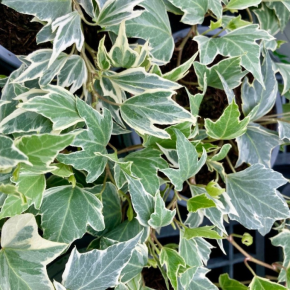
Evergreen; ovate to lance-shaped, leathery leaves with dark green upper surface and lighter underside Dark green to grey-green, depending on exposure
Full sun; sheltered from cold winds preferred
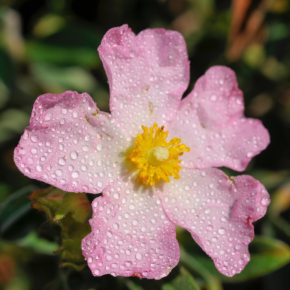
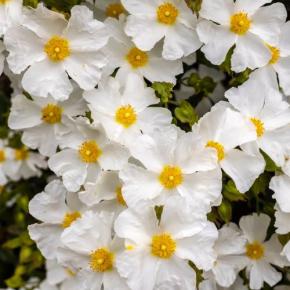
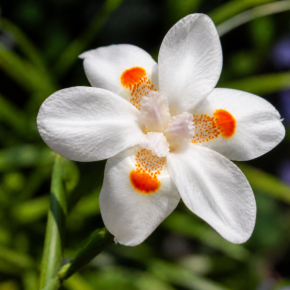
May, June Pure white, sometimes with yellow base at petal base
tolerating down to approx. −12  to −20  in well-drained soil °C
Packaging
To find out more about our packaging, please visit our young plants' page available from the website header.
Available quantity Dispo à partir de Sold by Desired quantity

Le stock n'est actuellement pas disponible pour ce produit.

Characteristics of Cistus laurifolius

Cistus laurifolius displays a structural, upright form suitable for dry gardens and low-maintenance landscapes. Its leathery, persistent foliage contributes year-round visual appeal and withstands drought, wind, and intense sun. The bright white flowers emerge in late spring and contrast attractively with the dark foliage. Unique among Cistus species for its improved cold tolerance, it thrives in poor, rocky, or calcareous soils. These characteristics make it an ideal solution for sustainable planting projects requiring durability and visual structure in demanding environments.


How to Use Cistus laurifolius

This species integrates effectively into Mediterranean-style plantings, dry slopes, rock gardens, and full-sun embankments. It can be used in low hedging or as a specimen shrub in contemporary and xeriscape designs. Its wind and salt tolerance also suit it to coastal gardens or green roof systems. Combine it with ornamental grasses or alpine perennials for strong visual and textural contrast. For professional landscapers, Cistus laurifolius offers a reliable evergreen presence with minimal maintenance, ideal for urban or naturalistic planting schemes.


Best Practices for Growing Cistus laurifolius

Planting: Select a full-sun location with sharply drained, gravelly or sandy soil—neutral to slightly alkaline. Avoid clay or waterlogged sites. Space plants 1 to 1.5 m apart depending on design use (border or hedge).
Irrigation / Soil Management / Fertilisation: Once established, the plant requires minimal watering and thrives in low-nutrient soils. Avoid excessive soil disturbance around the base to protect the root system. Fertilisation is typically unnecessary; overfeeding may reduce flowering.
Pruning: Light pruning after flowering maintains shape and removes spent stems. Avoid cutting into old wood. Replace aging, thinning specimens as needed.
With these practices, Cistus laurifolius proves to be a resilient, low-input shrub with significant ornamental and ecological value for professional landscape applications.


Plantes à découvrir