Flower CISTUS parviflorus - LA FORET - Pépinière La Forêt
CISTUS parviflorus - ground cover LA FORET - Pépinière La Forêt

CISTUS parviflorus

CISTE A PETITES FLEURS

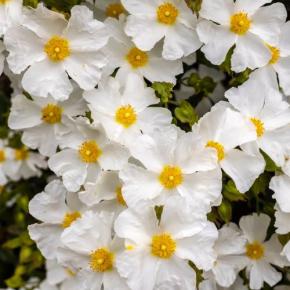
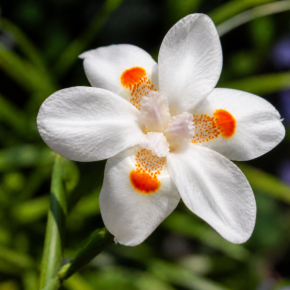
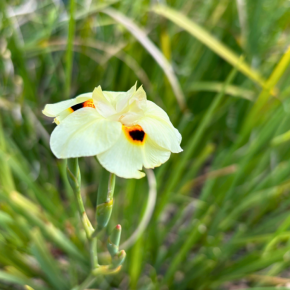
Native to Mediterranean regions, Cistus parviflorus is a compact, evergreen shrub known for its low-spreading habit, soft grey-green foliage, and abundant pale pink blooms in spring. It is a technical, low-maintenance choice for professional landscaping in dry, rocky, or coastal sites, offering excellent drought resistance, ornamental value, and soil adaptation.

Approx. 0.5–1 m × 0.5–1.5 m depending on conditions Compact, cushion-forming, spreading
Evergreen; ovate to lanceolate leaves, grey-green and slightly pubescent Silvery to grey-green depending on light and climate
Full sun (warm, well-aerated positions)
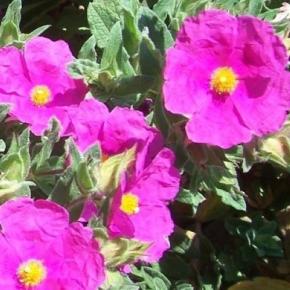
late March to May–June depending on climate Pale pink, in terminal or axillary cymes
Tolerant down to approx. −8  to −10 (possibly lower in well-drained soil) °C
Packaging
To find out more about our packaging, please visit our young plants' page available from the website header.
Available quantity Dispo à partir de Sold by Desired quantity

Le stock n'est actuellement pas disponible pour ce produit.

Characteristics of Cistus parviflorus

Cistus parviflorus is highly adapted to dry, Mediterranean or coastal conditions. Its low, cushion-like habit makes it ideal as a ground cover in professional settings. The evergreen, grey-silver foliage provides year-round appeal and handles intense sunlight and drought effectively. Although individual flowers are short-lived, the blooming period is long and profuse, producing a vibrant carpet of pale pink blooms. With moderate hardiness and a preference for dry, poor, and often calcareous soils, this species is a dependable low-maintenance option for sustainable plantings.


How to Use Cistus parviflorus

Thanks to its compact height and spreading nature, Cistus parviflorus is ideal for use as a ground cover in sunny borders, dry embankments, rock gardens, or coastal landscapes. It also works well in dry Mediterranean-style beds and naturalistic plantings. In urban settings or on terraces, it can be grown in containers with excellent drainage for ornamental impact. For landscape professionals, this species provides effective ground coverage with minimal input, offering drought resilience and long-lasting decorative value.


Best Practices for Growing Cistus parviflorus

Planting: Select full sun locations with very well-drained, light soils (sandy, gravelly, or rocky). Avoid heavy, wet soils. Space plants 0.5 to 1 m apart depending on the intended use (mass planting or ground cover) to allow lateral spread.
Watering / Soil Management / Fertilisation: Water moderately during the first growing season, then reduce significantly—once established, it is very drought-tolerant. Avoid overwatering and soil compaction. The plant performs best in poor to moderately fertile soils; excessive nitrogen may reduce flowering and promote weak growth. Avoid disturbing the soil near the crown, as roots are shallow and adapted to dry substrates.
Pruning: Light pruning after flowering helps maintain shape and remove spent branches. Do not cut into old wood. Older plants may be replaced as they thin out over time.
By following these cultural guidelines, Cistus parviflorus proves to be a reliable, low-growing ornamental for dry, coastal, or low-maintenance landscaping projects.


Plantes à découvrir