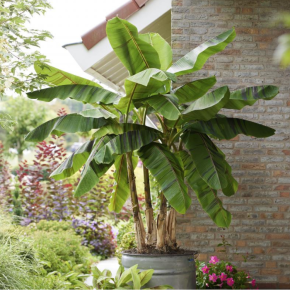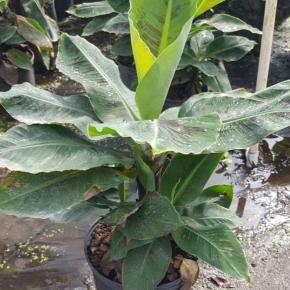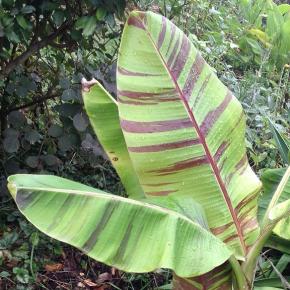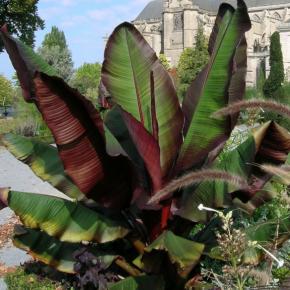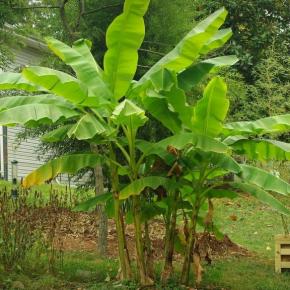
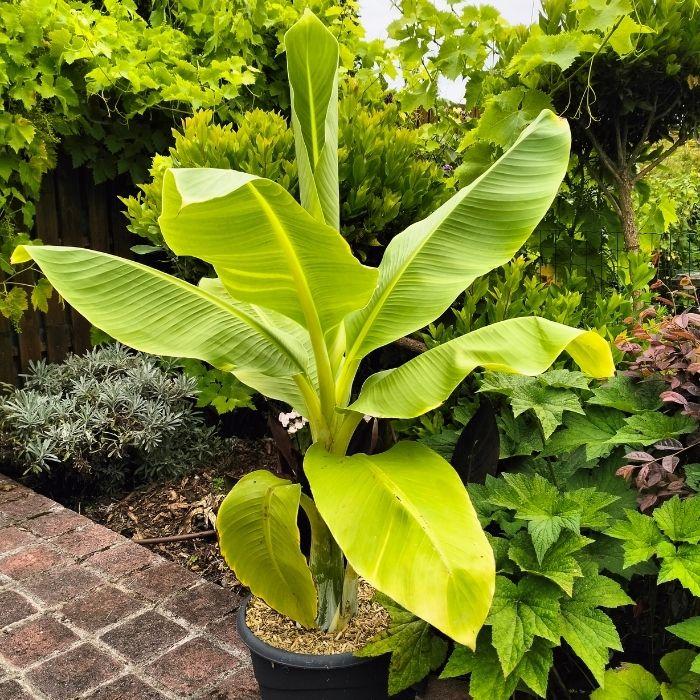
Musa Ensete glaucum - Snow Banana is an exceptional ornamental banana species native to Southeast Asia and the Himalayan foothills. Distinguished by its striking bluish-green foliage, rapid growth, and tolerance to cooler conditions compared to other bananas, it is ideal for creating an exotic tropical look in both temperate and warm climates.
|
Packaging
To find out more about our packaging, please visit our young plants' page available from the website header.

|
Available quantity | Dispo à partir de | Sold by | Desired quantity | |
|---|---|---|---|---|---|
|
Packaging
P77 A5
To find out more about our packaging, please visit our young plants' page available from the website header.
|
Available quantity 909 | Dispo à partir de Immédiat | Sold by 77 |
|
|
Characteristics of Musa Ensete glaucum
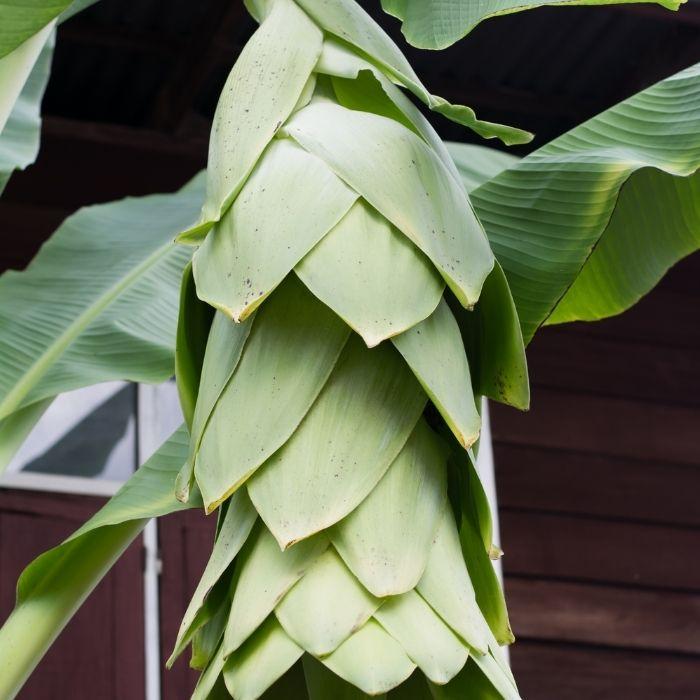
Musa Ensete glaucum, commonly known as the Snow Banana, originates from Southeast Asia and thrives in warm to subtropical regions. Its strong pseudostems and broad bluish-green leaves create a bold architectural presence. Unlike fruiting bananas, it produces large, cream-white inflorescences with purple bracts but is primarily grown for its ornamental foliage. In optimal conditions, it reaches up to 6 meters, adding impressive vertical structure to landscapes.
How to use Musa Ensete glaucum?
Thanks to its striking size and exotic appearance, Musa Ensete glaucum is widely used in tropical-style gardens, large planters, and public landscape projects. It is perfect as a focal point in a lawn, in mixed exotic borders, or as a backdrop in architectural planting schemes. Its robust foliage also provides screening and windbreaking benefits. In cooler regions, it can be grown in large containers and moved indoors during winter.
Cultivation advice for Musa Ensete glaucum
Plant Musa Ensete glaucum in rich, well-drained soil with consistent moisture. Optimal spacing is 1.5–2 m between plants to allow full crown development. It requires regular watering during the growing season and benefits from high nitrogen fertilisation for vigorous leaf production. Mulching helps retain soil moisture. Remove damaged leaves to maintain aesthetics, and in cooler climates, protect the root base with thick mulch in winter or overwinter in frost-free conditions.