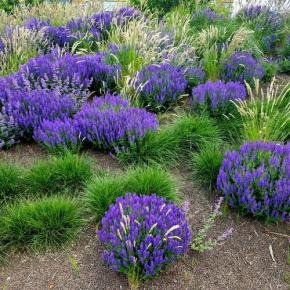
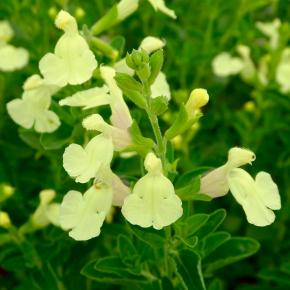
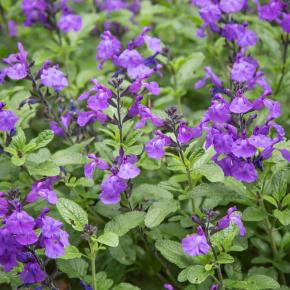
Salvia x Hot Lips stands out with its unique red and white bicolor blooms, which shift with temperature variations. This horticultural hybrid offers exceptional flowering performance, a compact bushy habit, and excellent drought resistance. Perfect for full-sun borders, it is both pollinator-friendly and low-maintenance.
|
Packaging
To find out more about our packaging, please visit our young plants' page available from the website header.

|
Available quantity | Dispo à partir de | Sold by | Desired quantity | |
|---|---|---|---|---|---|
|
Packaging
P77 A5
To find out more about our packaging, please visit our young plants' page available from the website header.
|
Available quantity 77 | Dispo à partir de Immédiat | Sold by 77 |
|
|
|
Packaging
P24 A9
To find out more about our packaging, please visit our young plants' page available from the website header.
|
Available quantity 920 | Dispo à partir de Immédiat | Sold by 24 |
|
|
Characteristics of Salvia x Hot Lips
Salvia x Hot Lips is a Mexican-origin hybrid sage, renowned for its long and variable blooming. Its distinctive bicolor flowers—bright red and white—may appear fully red or white depending on temperature fluctuations. The plant forms a compact, well-branched shrub with aromatic, fine-textured foliage. This semi-evergreen perennial tolerates heat and drought exceptionally well. It is relatively disease-free and hardy down to -10 °C in well-drained soils.
How to use Salvia x Hot Lips ?
Salvia x Hot Lips is ideal for full-sun mixed borders, Mediterranean-style plantings, and rock gardens. Its compact size also makes it suitable for containers and patio planters. It pairs beautifully with ornamental grasses, perennial ground covers, or shrub roses. Highly attractive to bees, butterflies, and other pollinators, this sage is an excellent choice for biodiversity-friendly gardens and naturalistic designs.
Best practices for cultivating Salvia x Hot Lips
Plant Salvia x Hot Lips in well-drained, light soils—preferably neutral to slightly alkaline. Maintain a spacing of 50 to 60 cm between plants to ensure good air circulation and optimal development. A hard prune in late winter encourages dense branching and robust flowering. Water sparingly, mainly during establishment or prolonged droughts. This sage requires minimal fertilization—a light organic compost application in spring suffices. Soil preparation should emphasize drainage to support its winter hardiness.