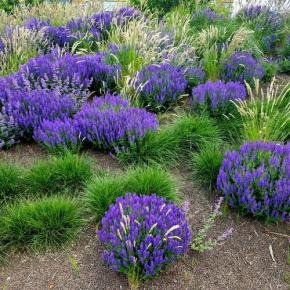
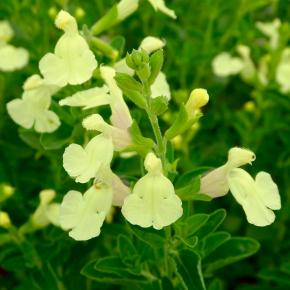
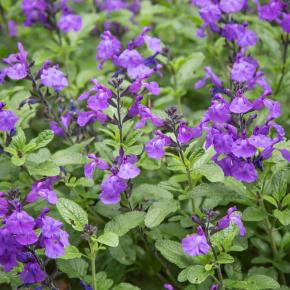
Salvia x greggii Joy is a compact, drought-tolerant hybrid sage known for its prolific bicolor flowering from late spring to frost. Its light and dark pink blooms, aromatic foliage, and bushy habit make it ideal for sunny landscape uses. Highly attractive to pollinators, it adds ornamental value and ecological function to any planting design.
|
Packaging
To find out more about our packaging, please visit our young plants' page available from the website header.

|
Available quantity | Dispo à partir de | Sold by | Desired quantity | |
|---|---|---|---|---|---|
|
Le stock n'est actuellement pas disponible pour ce produit. |
|||||
Characteristics of Salvia x greggii Joy
Salvia x greggii Joy is a horticultural hybrid sage from the Lamiaceae family, featuring a naturally compact habit and semi-evergreen, aromatic foliage. It produces abundant two-tone pink flowers—light and dark—from late spring through to frost. The soft-textured, fragrant leaves add sensory interest, while its extended bloom supports pollinator activity. This cultivar thrives in dry, well-drained soils and demonstrates high heat and drought tolerance. It is a valuable addition to Mediterranean or xeriscape designs and requires minimal care once established.
How to use Salvia x greggii Joy ?
Salvia x greggii Joy is ideal for sunny borders, perennial beds, low flowering hedges, or container planting on patios and balconies. Its neat, compact habit allows integration into urban landscapes, small gardens, and Mediterranean-style plantings. When paired with ornamental grasses or drought-loving perennials, it creates vibrant, long-lasting color schemes. Its nectar-rich blooms attract bees and butterflies, contributing to pollinator-supportive and biodiversity-focused designs.
Best practices for growing Salvia x greggii Joy
Plant Salvia x greggii Joy in light, well-drained soils, in a location with full sun or partial shade. Space plants 40–60 cm apart to promote good airflow and structural balance. Perform a hard pruning in early spring to encourage dense branching and extended blooming. Water sparingly, only during the establishment phase or prolonged drought. A light compost dressing in spring is sufficient; avoid nitrogen-rich fertilizers. Ensuring proper drainage is critical, especially in winter, to maintain plant health and cold hardiness.