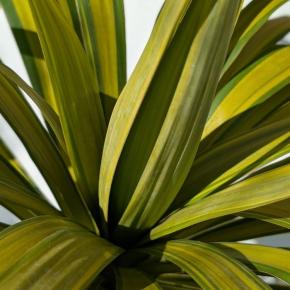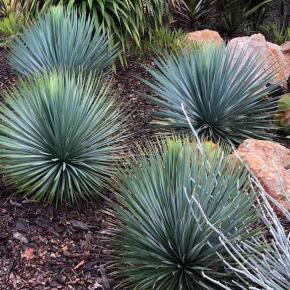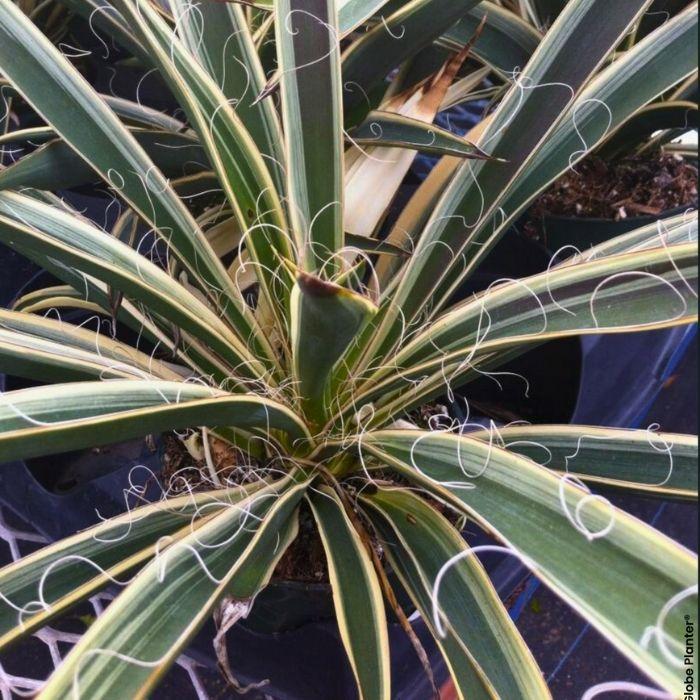
Native to the southeastern United States, Yucca filamentosa is an architectural, evergreen perennial perfectly suited to dry gardens and modern landscaping. Exceptionally drought- and cold-tolerant (down to -20 °C), it thrives in full sun with minimal care, making it ideal for low-maintenance or difficult sites.
|
Packaging
To find out more about our packaging, please visit our young plants' page available from the website header.

|
Available quantity | Dispo à partir de | Sold by | Desired quantity | |
|---|---|---|---|---|---|
|
Packaging
GT9
To find out more about our packaging, please visit our young plants' page available from the website header.
|
Available quantity 40 | Dispo à partir de Immédiat | Sold by min 10 |
|
|
Characteristics of Yucca filamentosa
Yucca filamentosa develops a dense basal rosette of narrow, leathery, upright leaves, often edged with curly white filaments – a key identifying feature. Adapted to arid, sun-drenched conditions, this species also boasts excellent cold hardiness, tolerating severe winter frosts down to -20 °C. In summer, it sends up a striking vertical flower stalk up to 1.5 m high, bearing numerous ivory bell-shaped flowers. Its persistent structure and bold silhouette make it a staple in ornamental dry landscaping.
How to use Yucca filamentosa ?
Yucca filamentosa is highly valued in Mediterranean, xeriscape, or contemporary designs. It performs well as a specimen plant, in dry borders, gravel gardens, rockeries, or containers on sunny patios. In mixed plantings, it brings architectural structure and vertical interest, especially when in bloom. It pairs well with drought-tolerant species such as ornamental grasses, Lavandula, Euphorbia, and low-growing groundcovers suited to poor, well-drained soils.
Best practices for growing Yucca filamentosa
Plant Yucca filamentosa in light, well-drained, even poor soils. Avoid moisture-retentive conditions, particularly in winter. Plant in spring or autumn, spacing 80 cm to 1 m apart. Once established, it requires no irrigation or fertilisation. Maintenance is minimal: remove spent flower stalks and dry leaves to maintain appearance. A mineral mulch enhances its ornamental appeal and keeps the planting area clean.