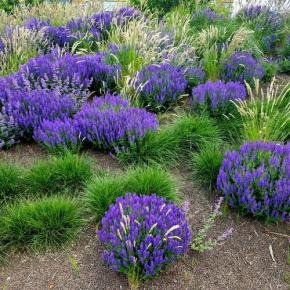
Feuillage - SALVIA officinalis - LA FORET - Pépinière La Forêt
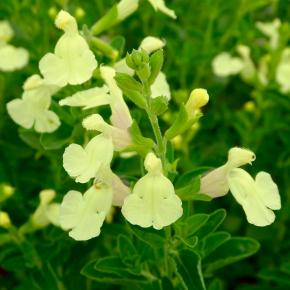
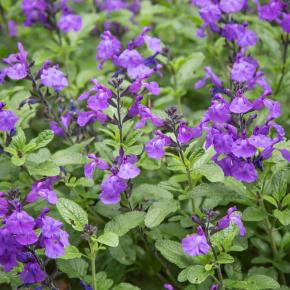
Fleurs - SALVIA officinalis - LA FORET - Pépinière La Forêt

SALVIA officinalis

SAUGE OFFICINALE

Salvia officinalis, commonly known as common sage or garden sage, is a Mediterranean woody perennial valued for its ornamental, culinary, and medicinal uses. With its evergreen grey-green aromatic foliage and blue-violet summer flowers, it offers high drought tolerance and low maintenance, making it ideal for dry gardens, herb beds, and sustainable landscape designs.

60 à 80 cm x 60 cm Bushy, semi-upright
Evergreen to semi-evergreen (depending on climate) Grey-green, felted, highly aromatic
Full sun
from May to July Lavender-blue to violet-blue
down to –12 / –15 °C
Packaging
To find out more about our packaging, please visit our young plants' page available from the website header.
Available quantity Dispo à partir de Sold by Desired quantity
Packaging GT9
To find out more about our packaging, please visit our young plants' page available from the website header.
Available quantity 1100 Dispo à partir de 08/2026 Sold by min 10
Packaging GT9
To find out more about our packaging, please visit our young plants' page available from the website header.
Available quantity 45 Dispo à partir de Immédiat Sold by min 10

Characteristics of Salvia officinalis

Native to the Mediterranean basin, Salvia officinalis forms a small, woody-based perennial shrub with a bushy habit. Its grey-green leaves are covered with fine hairs and release a strong aromatic scent due to their essential oil content (including thujone and camphor). From late spring, it produces upright flowering spikes with violet-blue blooms that attract pollinators. Drought-tolerant and highly adapted to poor, well-drained soils, this sage is a staple in herb gardens and known for its medicinal properties—antiseptic, digestive, and anti-inflammatory.


How to use Salvia officinalis?

Salvia officinalis is highly versatile and suitable for herb gardens, dry borders, Mediterranean-style plantings, rock gardens, or containers. Beyond its ornamental appeal, it is widely used in culinary applications (as a strong-flavoured herb) and traditional herbal medicine. It can be mass-planted to structure dry gardens or mixed with other aromatic perennials such as Lavandula, Thymus, Origanum, or Rosmarinus. Due to its low water needs and minimal maintenance, it is a reliable choice for drought-tolerant and sustainable landscape designs.


Cultivation guidelines for Salvia officinalis

Plant Salvia officinalis in well-drained, light to moderately fertile soils, preferably calcareous or sandy. Full sun exposure is essential for strong aromatic foliage and optimal flowering. Avoid excess moisture, especially in winter. Space plants 40–50 cm apart for proper air circulation. Prune lightly after flowering to maintain a compact shape and encourage new growth. Once established, it requires minimal irrigation. A light compost dressing in spring is sufficient. In cold climates, apply a draining mulch to protect roots from winter moisture and frost.


Plantes à découvrir