flower - Cistus Corbariensis - LA FORET - Pépinière La Forêt
Cistus Corbariensis - LA FORET - Pépinière La Forêt

CISTUS corbariensis

CISTE DES CORBIERES

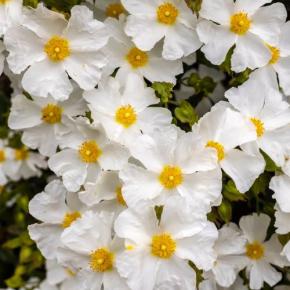
Cistus × corbariensis (Corbieres Rockrose) is a hardy, evergreen Mediterranean shrub appreciated for its compact, dome-shaped habit, deep green textured foliage, and abundant white spring flowers. Well-suited for dry, poor, and well-drained soils, it is a reliable low-maintenance solution for full-sun exposures and drought-prone landscapes.

Approx. 0.6–0.8 m tall × 0.8–1.0 m wide at maturity Dense, dome-shaped, bushy, multi-branched shrub
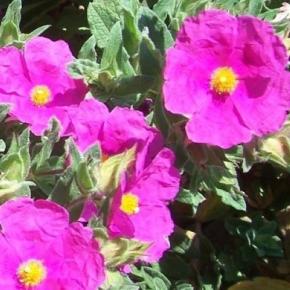
Evergreen; oval, slightly wavy, rough-textured leaves Dark green in season; may take purplish tints in winter
Full sun to light partial shade (south or west-facing preferred)
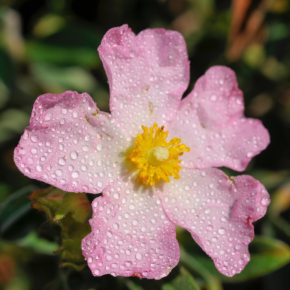
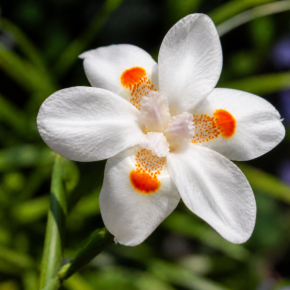
April, June Pure white with golden yellow center; crinkled petals ~4 cm diameter
Approx. –12 to –15 , if planted in well-drained conditions °C
Packaging
To find out more about our packaging, please visit our young plants' page available from the website header.
Available quantity Dispo à partir de Sold by Desired quantity
Packaging GT9
To find out more about our packaging, please visit our young plants' page available from the website header.
Available quantity 80 Dispo à partir de Immédiat Sold by min 10
Packaging
To find out more about our packaging, please visit our young plants' page available from the website header.
Available quantity 80 Dispo à partir de Immédiat Sold by

Characteristics of Cistus × corbariensis

Cistus × corbariensis is a natural hybrid (Cistus populifolius × Cistus salvifolius) originating from Mediterranean scrublands. It forms a compact, symmetrical mound covered in dark evergreen foliage, producing a profusion of bright white flowers in spring with contrasting yellow centers. Adapted to dry, sun-exposed locations, it offers both strong ornamental value and functional resistance to heat, wind, and poor soils — an ideal technical choice for professional dry landscaping and naturalistic plantings.


How to use Cistus × corbariensis

In landscape design and professional horticulture, Cistus × corbariensis performs well in dry borders, rock gardens, Mediterranean-themed plantings, coastal zones, and wind-exposed urban areas. It is effective as a low evergreen hedge, groundcover shrub, or in mass plantings for erosion control on sunny slopes. With its modest size and neat shape, it pairs well with other drought-tolerant species such as lavender, rosemary, thyme, and santolina, enhancing biodiversity and seasonal interest.


Cultivation advice for Cistus × corbariensis

Plant in full sun and very well-drained soils — ideally sandy, rocky, or calcareous. In heavier soils, incorporate gravel or coarse sand to improve drainage. Allow 80 to 100 cm spacing between plants for full crown development. Water moderately during the establishment phase, then restrict irrigation; once established, the plant thrives under dry conditions. After flowering (June–July), lightly prune to maintain its compact habit — only remove spent flowering stems, and avoid cutting into old wood. No fertilization is required; excess nitrogen may reduce drought resistance. In colder regions, ensure excellent winter drainage, as stagnant moisture combined with cold winds can be detrimental.


Plantes à découvrir