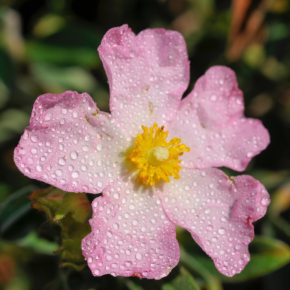
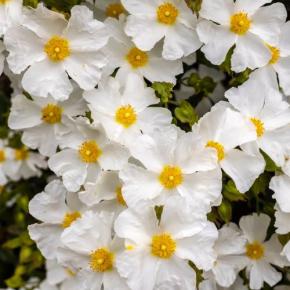
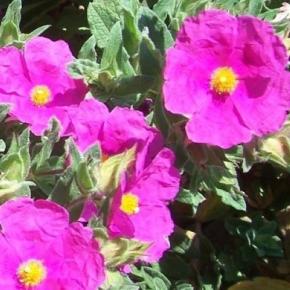
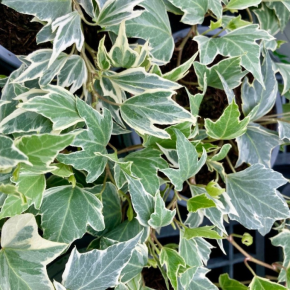
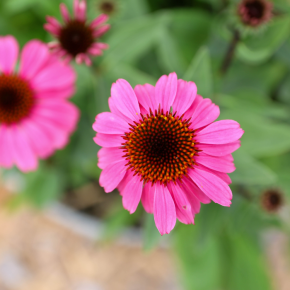
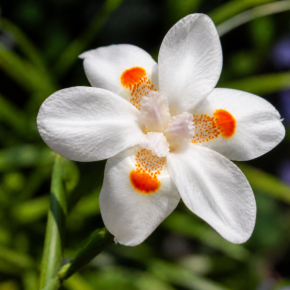
A Mediterranean shrub with a spreading habit, Cistus pulverulentus stands out with its silvery-gray foliage and generous display of vivid pink, crinkled flowers typical of rockroses. This cultivar is notable for its good hardiness and drought resistance, making it an excellent choice for low-maintenance, sun-drenched dry gardens or mixed borders.
|
Packaging
To find out more about our packaging, please visit our young plants' page available from the website header.

|
Available quantity | Dispo à partir de | Sold by | Desired quantity | |
|---|---|---|---|---|---|
|
Packaging
GT9
To find out more about our packaging, please visit our young plants' page available from the website header.
|
Available quantity 859 | Dispo à partir de Immédiat | Sold by min 10 |
|
|
|
Packaging
To find out more about our packaging, please visit our young plants' page available from the website header.
|
Available quantity 859 | Dispo à partir de Immédiat | Sold by |
|
|
Characteristics of Cistus pulverulentus
Native to Mediterranean regions, Cistus pulverulentus is an evergreen shrub with a spreading, compact form. It develops into a dense clump approximately 0.80 m tall and 1.20 m wide. Noteworthy for its long-lasting and vivid pink flowering from May to July, it also serves as a magnet for pollinators. Its hardiness down to -10 °C makes it suitable for many temperate climates. The ornamental silvery foliage adds visual appeal throughout the year.
How to use Cistus pulverulentus ?
With its compact and spreading growth, Cistus pulverulentus is particularly suited for Mediterranean, dry, or xeriscape landscaping. It performs well on embankments, in rock gardens, borders, or as a groundcover in poor, stony soils. It can also be used effectively to stabilize slopes or to provide textural contrast in mixed plantings. When grown in containers, it requires a well-drained substrate and a full-sun position on terraces or patios.
Growing tips for Cistus pulverulentus
Cistus pulverulentus thrives in well-drained, light soils with low to moderate fertility, preferably calcareous or neutral. Planting is best done in autumn or spring, allowing 1 meter of spacing between plants. Once established, it is highly drought-tolerant and requires minimal irrigation. Avoid nitrogen-rich fertilizers. A light pruning after flowering helps maintain a compact form. Deep soil cultivation is unnecessary post-planting, making it a low-maintenance option for professional landscapes.