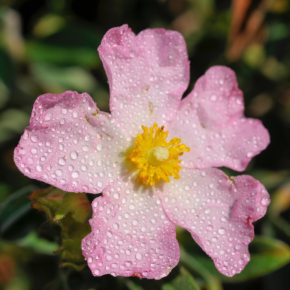
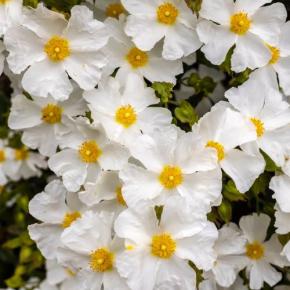
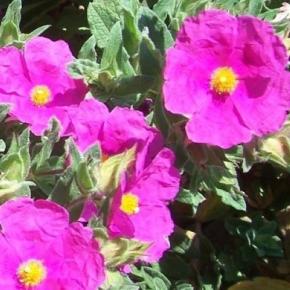
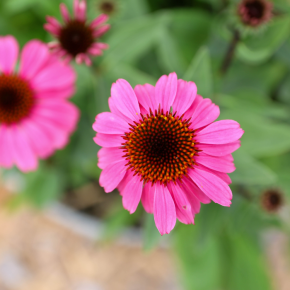
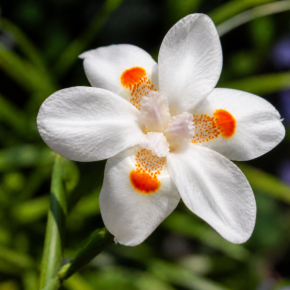
A low-growing Mediterranean evergreen shrub, Cistus pulverulentus Sunset is distinguished by its spreading habit, silvery-green fuzzy foliage, and vivid magenta-pink flowers with a golden-yellow center. This cultivar excels as a decorative, low-maintenance groundcover, particularly in dry gardens or poor soils.
|
Packaging
To find out more about our packaging, please visit our young plants' page available from the website header.

|
Available quantity | Dispo à partir de | Sold by | Desired quantity | |
|---|---|---|---|---|---|
|
Le stock n'est actuellement pas disponible pour ce produit. |
|||||
Characteristics of Cistus pulverulentus Sunset
Native to the Mediterranean region, Cistus pulverulentus Sunset is a horticultural cultivar developed for its vigorous spreading habit and striking floral display. It forms a dense, low mat of soft, silvery foliage, maintaining year-round ornamental value. With a modest height of 40–60 cm and a spread exceeding 1.20 m, it functions as an excellent groundcover. Its flowering period is later than most rockroses, from June through July, and produces bright magenta flowers with a golden center that attract pollinators. This cultivar tolerates winter temperatures down to –10/–12 °C, provided the soil remains well-drained and roots are kept dry.
How to use Cistus pulverulentus Sunset ?
With its expansive low form and evergreen foliage, Cistus pulverulentus Sunset is ideal as a groundcover for dry slopes, rockeries, Mediterranean-style gardens, and sun-exposed borders. In mass plantings, it works well to carpet the ground beneath taller shrubs or to stabilize sunny embankments. It also performs well in large containers on terraces, provided drainage is ensured. Its vivid flowering effect is particularly striking when paired with contrasting textures such as lavender, creeping rosemary, or thyme. This cultivar also thrives in coastal or garrigue-like conditions.
Growing tips for Cistus pulverulentus Sunset
For successful cultivation, Cistus pulverulentus Sunset requires well-drained, light soils—preferably calcareous, sandy, or gravelly, and low to moderately fertile. Plant in full sun, preferably against a south-facing wall or exposed slope. Planting is best done in spring or autumn, with about 1 m spacing between specimens. Once established, it is highly drought-tolerant and requires minimal irrigation. Avoid nitrogen-rich fertilization, which may lead to excessive, loose growth. After flowering, light pruning is recommended to maintain compactness—avoid cutting into old wood. A light but breathable mulch may be used in colder zones, but stagnant moisture must be avoided.